About Us
At Titanium Prospective Company Nigeria Limited, we believe that responsible mining goes hand in hand with environmental restoration. Our approach to land recovery after alluvial gold mining is rooted in innovation and sustainability—reshaping the terrain, guiding natural succession, and reintroducing native species to accelerate renewal. By balancing technical reclamation with nature’s own healing processes, we don’t just restore the land—we help it thrive again.
Reshaping the Terrain
Flattening and Filling:
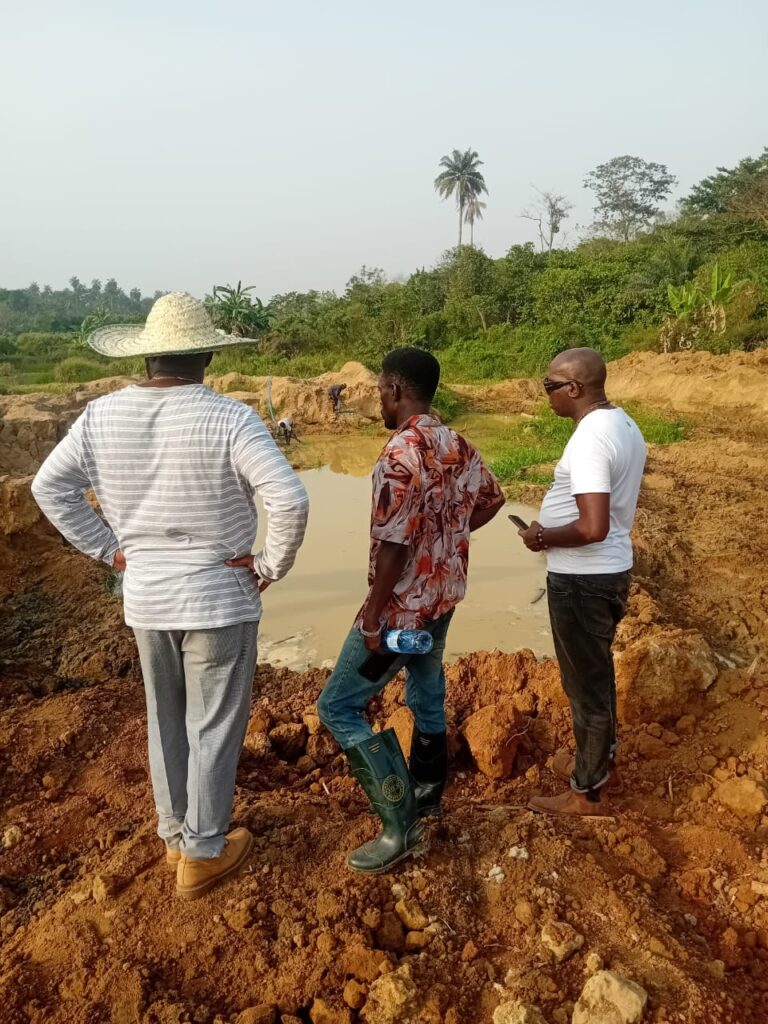
Removing sand piles and filling in abandoned ponds can improve moisture retention and create a more suitable environment for plant life.
Re-contouring:
Re-establishing a more natural topography can help with drainage and soil stability.
Soil Stabilization:
Techniques like using natural materials (like mulch or organic matter) or even bioengineering (using plants to stabilize slopes) can help prevent erosion.
Promoting Natural Succession
Passive Restoration:
Allowing natural processes to take over can lead to the eventual return of native vegetation. This is often a slower process but can result in a more diverse ecosystem.
Monitoring and Management:
Monitoring the site for invasive species and managing them if they appear is crucial for successful natural succession.
Assisted Natural Regeneration:
This involves strategically planting native species to accelerate the process of natural succession.
Accelerating Recovery with Planting
Fast-Growing Native Species:
Species like native bamboos or fast-growing trees can be planted to quickly establish vegetation cover and stabilize the soil.
Consider Native Species:
Focusing on native plants that are well-suited to the local environment is key for long-term success.
Strategic Planting:
Planting in clusters or along specific contours can help create microclimates and improve the chances of survival.
Addressing Specific Challenges
Nutrient Deficiencies:
Mining can deplete nutrients in the soil. Adding organic matter or using specific soil amendments can help address this.
Water Availability:
Re-establishing a natural water cycle is important. This could involve creating ponds or improving drainage.
Impact of Mining Activities:
Addressing issues like soil compaction, sediment deposition, and water contamination is crucial for successful restoration.
Collaboration and Research
Local Knowledge:
Incorporating local knowledge about the rainforest and its ecosystems is vital.
Scientific Research:
Ongoing research into the best restoration techniques for specific mining sites is essential.
Community Involvement:
Engaging local communities in the restoration process can lead to more successful and sustainable outcomes.